
Thermal Transfer Ribbon – 4.33" (110mm) Wide
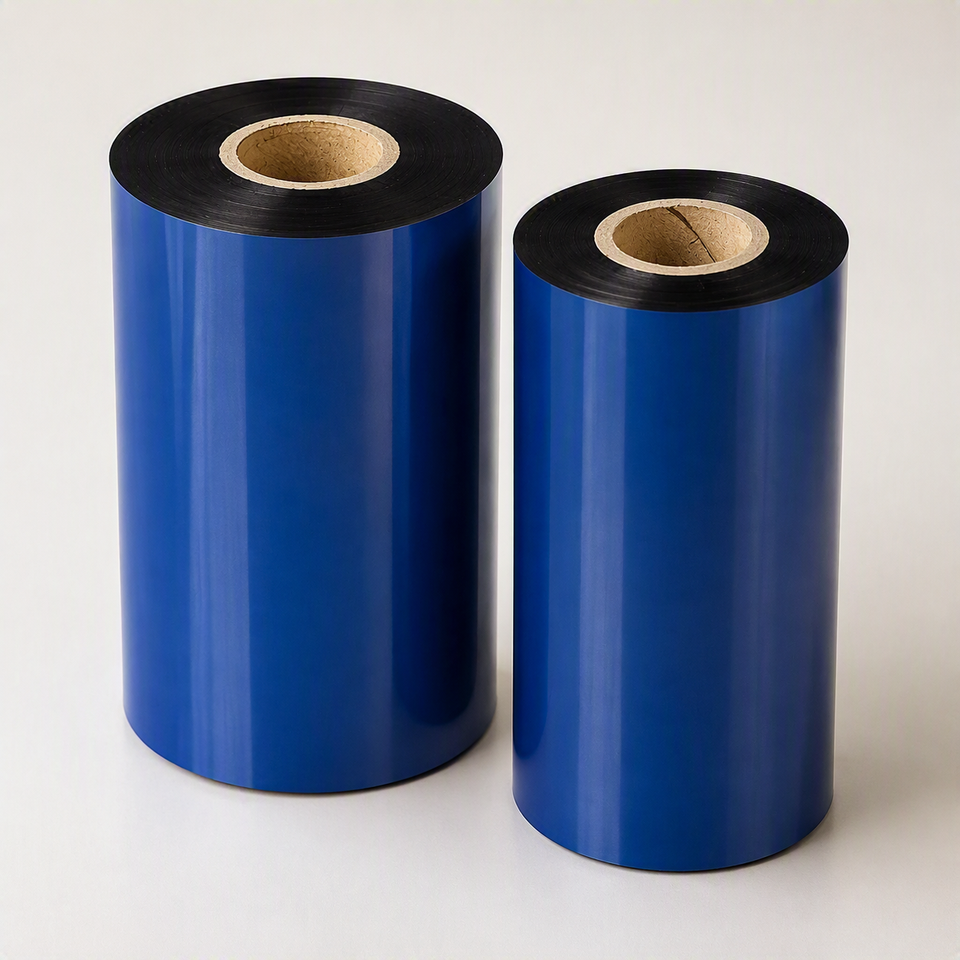
Get sharp, smudge-resistant print that lasts with this 4.33" (110mm) wide thermal transfer ribbon. It's the ink source that puts crisp text and scannable barcodes onto your shipping labels, product tags, and warehouse labels — available in wax and wax/resin formulations, so you can match the ribbon to how much wear and tear your labels need to survive.
Commonly used with 4" wide label
How a Thermal Transfer Ribbon Actually Works
If you're new to thermal transfer printing, here's the simple version: your printer has a heated printhead that presses against this ribbon, which sits between the printhead and your label. The heat melts a tiny, precise amount of ink off the ribbon and onto the label as it passes through — like a very controlled iron-on transfer. Because the image is actually melted onto the label rather than "burned into" heat-sensitive paper, thermal transfer prints resist fading from sunlight, heat, and handling far better than direct thermal labels do, which makes this the right choice for labels that need to stay legible for weeks, months, or years.
Wax or Wax/Resin — Which One Do You Need?
The "ribbon type" is really just the ink formula, and each one is built for a different level of durability:
- Wax — the most economical option. It prints well on standard coated and uncoated paper labels and is the go-to choice for everyday labels like shipping labels, pick tickets, and warehouse tags that don't need to survive much beyond normal handling.
- Wax/Resin — a step up in toughness. It holds up to light moisture, smudging, scuffing, and rougher handling, which makes it a good fit for labels that travel through a few more hands before they're done their job.
As a simple rule of thumb: paper labels with everyday handling usually call for wax; labels that need to survive rough handling or a bit of moisture call for wax/resin; labels that need to survive real abuse — chemicals, weather, or synthetic materials — call for resin.
What "Coated Side In" and "Coated Side Out" Mean
This is a detail that's easy to miss but important to get right. The ribbon is only coated with ink on one side, and depending on how a printer threads its ribbon, that inked side needs to either face inward (toward the ribbon roll) or outward (away from it) as it winds through the machine. This is what "Coated Side In (CSI)" and "Coated Side Out (CSO)" refer to. Using the wrong version for your printer means the ink simply won't transfer correctly, so it's worth checking your printer's manual or your current ribbon before ordering. Most desktop printers use Coated Side Out (CSO); check your specifications if you're unsure which yours needs.
Choosing a Roll Length
Longer rolls simply mean fewer ribbon changes. A 300m roll suits lower-volume or occasional printing, while a 450m roll is better suited to higher-volume label runs where minimizing downtime for ribbon swaps matters. Match the length to how many labels you print between changes.
Compatible Printers
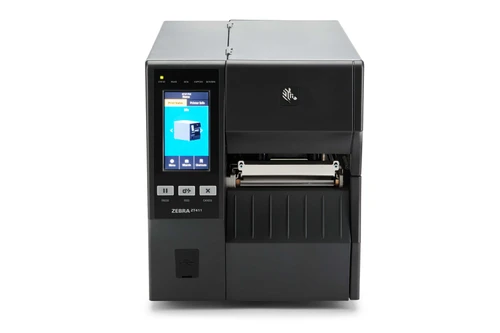
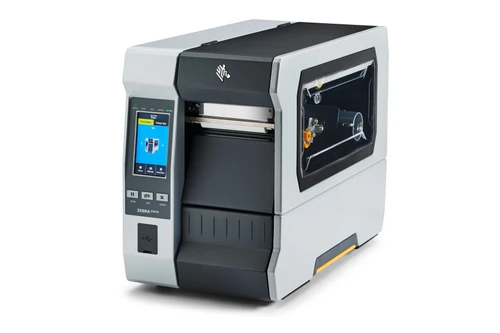
Compatible with a broad range of 4.33" (110mm) desktop and industrial thermal transfer printers, including Zebra, SATO, Honeywell/Datamax, TSC, and other comparable printer models that accept 110mm-wide ribbon.
Looking for the right label stock to pair with this ribbon, or need a compatible printer? Browse our full range of thermal transfer printers and label supplies at Ahearn & Soper.